
























THE EVOLVED EDIT
Clear vs Silicone vs Leather vs Metal iPhone Cases
Case material changes the way an iPhone feels, looks, grips, cleans and ages. Compare the material together with fit, corners, lining and magnetic charging.
Which iPhone case material is best?
Choose clear to show the phone, silicone for soft grip, leather-finish for a warmer refined feel, and metal-frame construction for a structured look. None is automatically the most protective. A well-fitted case with reinforced corners, raised edges, suitable back coverage, and correct magnetic alignment is more important than the headline material.
Clear, silicone, leather-finish and metal cases compared
| Material style | Feel | Appearance over time | Typical reason to choose it | Evolved example |
|---|---|---|---|---|
| Clear TPU + polycarbonate | Smooth, firm shell with flexible areas | Wear and discoloration are more visible | Show the phone's original color | MagCase Clear |
| Liquid silicone | Soft-touch, grippy surface | Can show lint, polished spots, or edge wear depending on use | Comfortable one-handed grip | MagCase Soft |
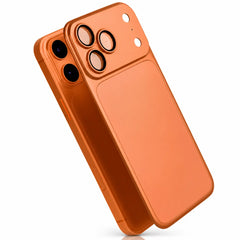
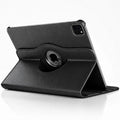
| Leather-finish shell | Warm, smooth, refined hand feel | Finish may develop wear at contact points | Refined look plus grip or stand features | MagCase Stand — Leather |
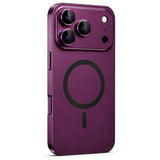
| Aluminum frame + rigid back | Structured and firm | Hard finish can show dents or scratches from impact | Distinctive metal look and solid construction | MagCase Metal |
Clear iPhone cases: best for showing the phone
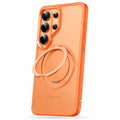
A clear case keeps the device's color and finish visible. Most modern clear cases combine a more rigid back with flexible side material, balancing shape retention and installation. The MagCase Clear product page lists transparent TPU and polycarbonate, reinforced corners, raised screen and camera edges, and a built-in magnetic ring.
Advantages
- Keeps the original phone design visible
- Makes the magnetic ring and case geometry easy to inspect
- Pairs with any phone color
- Usually simple to wipe clean
Tradeoffs
- Scratches, dust, and wear are easy to see
- Transparent polymers can change color with time, light, heat, skin oils, and use
- A clear look does not tell you how protective the corners are
An “anti-yellowing” treatment can help slow visible change; it should not be interpreted as a promise that a transparent case will remain optically new forever.
Silicone iPhone cases: best for soft, secure grip
Silicone is popular because it feels comfortable and helps reduce slipping. The MagCase Soft page lists a liquid-silicone exterior, soft inner lining, raised screen and camera edges, and built-in magnetic compatibility.
Advantages
- Soft-touch feel and strong everyday grip
- Comfortable around buttons and edges
- Opaque color hides internal dust and some wear
- Works well for people who often use the phone one-handed
Tradeoffs
- Some soft finishes collect pocket lint
- Edges can develop smooth or worn areas with heavy use
- Very grippy surfaces may not slide into a tight pocket as easily
Look beyond the word “silicone.” Confirm there is a stable shell, accurate button response, a soft phone-facing layer, and enough camera and screen clearance.
Leather and leather-finish cases: best for a refined hand feel
“Leather case” can describe several constructions: full-grain leather, top-grain leather, bonded material, synthetic leather, or a leather-finish surface over a reinforced shell. Those materials do not age in the same way. Read the specification instead of relying on the product name.
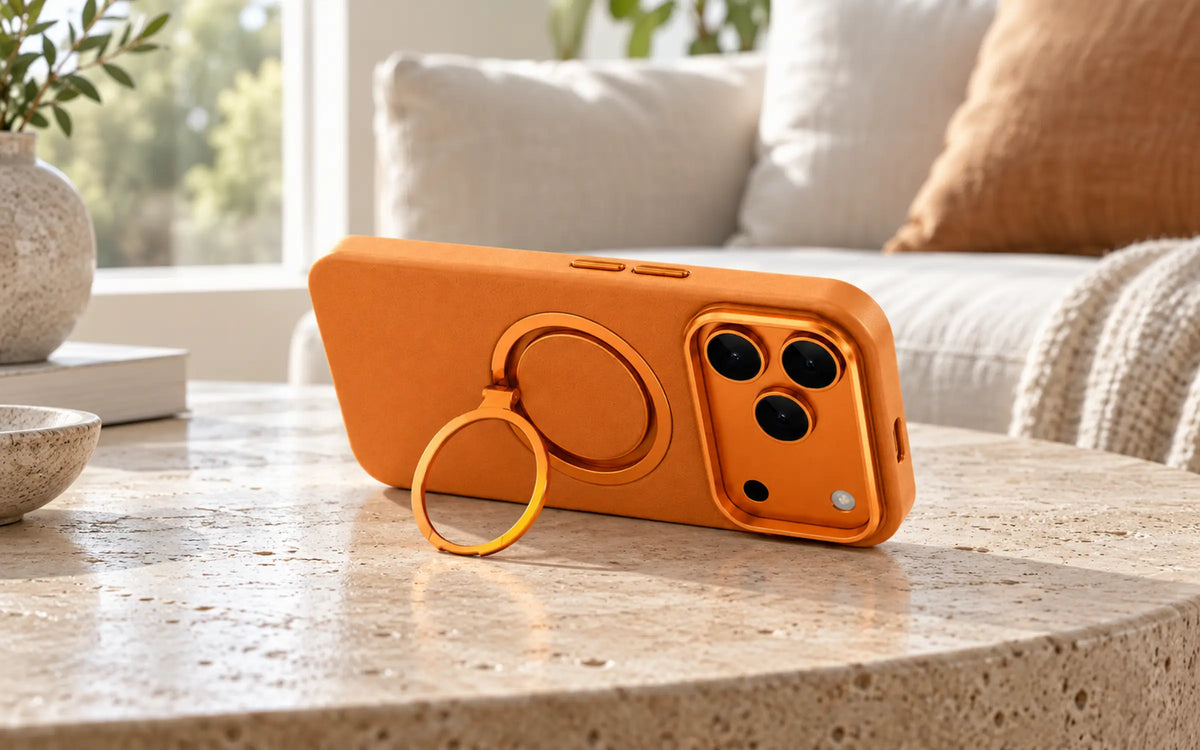
The MagCase Stand — Leather is described in its current technical specifications as a leather-finish exterior with a reinforced shell and microfiber lining. It also includes a rotating magnetic ring stand.
Advantages
- Warm, smooth surface that can feel less clinical than plastic
- Refined appearance for work or everyday carry
- Opaque finish hides the magnetic hardware
- Can integrate a stand or grip without a separate accessory
Tradeoffs
- Exact material and care requirements vary widely
- Contact edges can show wear over time
- Liquids, oils, and cleaners may change some finishes
Follow the product's own care instructions. Do not use a leather conditioner unless the manufacturer confirms it is suitable for the exact surface.
Metal iPhone cases: best for a structured finish
A “metal case” often combines metal with polycarbonate, TPU, glass, or a soft lining. That hybrid construction matters. Metal can provide a rigid frame and distinctive finish, while the phone-facing layer helps prevent hard material from rubbing directly against the device.
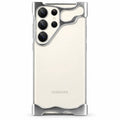
The MagCase Metal page lists an aluminum-alloy frame, a rigid polycarbonate back, a soft inner layer, raised screen and camera edges, and an integrated magnetic ring. Evolved lists the case at 59 g; verify that measurement for the exact phone variant because model sizes can differ.
Advantages
- Firm, structured feel
- Distinctive finish that can visually match the phone
- Rigid camera and edge construction
- Hybrid designs can combine a hard exterior with a softer interior
Tradeoffs
- Usually heavier than a thin polymer shell
- Hard surfaces can show impact marks
- Wireless charging must be intentionally designed into the case
Do not place an unrelated metal plate between an iPhone and a wireless charger. Apple warns that metal cases or objects can reduce charging performance. A purpose-built magnetic case must keep the charging path and alignment system compatible.
Which material protects an iPhone best?
There is no honest answer based on material alone. Compare the complete design:
- Retention: the phone should stay seated without forced pressure.
- Corners: these are common impact points and need intentional structure.
- Screen edge: a raised lip can keep the display away from a flat surface.
- Camera area: the surround must clear every lens, flash, and sensor.
- Back coverage: full shells and open bumpers make different tradeoffs.
- Inner contact: a lining or softer contact points help manage abrasion.
- Evidence: a drop claim is meaningful only when the test method is explained.
How to choose in 30 seconds
- If seeing the phone matters most, choose a clear case.
- If grip matters most, choose a silicone case.
- If refined feel and a stand matter most, choose a leather-finish stand case.
- If structured construction and a metal look matter most, choose a metal-frame case.
- If you want less coverage, compare minimal iPhone bumper cases.
Then verify the exact model variant and magnetic compatibility. If you are shopping for the new generation, use the iPhone 18 case fit and protection checklist. If magnetic performance is the deciding factor, read how wireless charging works through a phone case.
Compare the finish in real product photos
Browse Evolved signature iPhone cases, slim everyday cases, and iPhone stand cases. Check close-up images, exact material specifications, weight, and the selected phone variant before ordering.
Frequently asked questions
Do clear iPhone cases always turn yellow?
Not at the same rate, but transparent polymers can change with UV exposure, heat, oils, chemicals, and time. A coating may slow visible discoloration; it cannot make every clear material immune to aging.
Is silicone more protective than a hard case?
Not automatically. Protection depends on thickness, corner geometry, shell structure, fit, and test evidence. A soft exterior can improve grip, while a rigid layer can help the case retain shape.
Does a metal case block MagSafe?
An arbitrary metal layer between phone and charger can interfere. A purpose-built hybrid case may place metal around a compatible charging path and include an aligned magnetic ring. Follow the exact case's specifications.
Is a leather case worth it?
It can be if you value its feel and appearance. Verify whether the product is genuine leather, another leather construction, or a leather-finish material, and judge protection separately.